
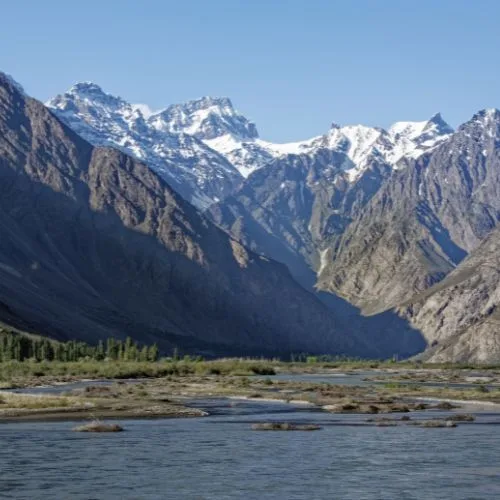
Scaling Solar 2 Project in Uzbekistan
$12 million financing support for the Scaling Solar 2 Project in Uzbekistan was recently approved. The investment is one of many in recent years demonstrating a new commitment from institutions to promote clean and renewable energy solutions in Central Asia.
While Global Infrastructure Advisors (GIA) is not directly involved in the Uzbekistan project, the funding signals exciting potential for similar ventures in the region. GIA is currently reviewing opportunities in Uzbekistan, Tajikistan and other parts of Central Asia.
New availability of financing from global DFIs for projects will allow sustainable development in the region to thrive. Countries like Uzbekistan and Tajikistan have the potential to become net exporters of power.
Development Finance’s Catalytic Role
Multilateral development finance institutions (DFIs) play a crucial role in realising renewable energy projects in Central Asia. Organisations like the African Development Bank and World Bank serve on the international stage. DFIs can empower Central Asian nations. Opening new funding sources helps emerging countries to drive development and makes transitioning to clean energy sources less burdening on the economy.
DFIs also help to identify and address potential risks specific to the region. This reduces uncertainties and instils confidence among investors, thereby attracting much-needed financing for renewable energy projects in Central Asia. Additionally, the provision of guarantees and insurance products helps protect against political, economic, and project-related risks. This creates a stable investment environment for both domestic and international investors. Mitigating risks associated with currency fluctuations, political instability, and project failure, contributes to the stability and long-term sustainability of renewable energy initiatives in Central Asia.
Moreover, the support provided by DFIs in implementing robust risk management strategies equips local stakeholders with the necessary knowledge and tools to effectively navigate challenges. This capacity-building aspect helps build resilience within the region’s renewable energy sector, fostering sustainable development and contributing to Central Asia’s transition to a low-carbon future.
Tapping into Central Asia’s Renewable Potential
Central Asia possesses abundant renewable energy resources, including solar, wind, and hydro power. For example, GIA is actively researching projects in Tajikistan and we believe in the greater region’s untapped potential.

With the availability of financing, projects in Central Asia can accelerate their development, leveraging GIA’s expertise in infrastructure advisory services to ensure effective project structuring, financing, and risk management.
Driving Sustainable Development
These investments in clean energy infrastructure not only provide access to reliable electricity but also create jobs, stimulate local economies, and improve the overall well-being of Central Asian communities.
By partnering with reputable contractors, GIA ensures that renewable energy projects not only contribute to clean energy generation but also stimulate local economies by creating job opportunities for the communities in which they operate.
Through a thorough ESIA, GIA ensures that contractors prioritize fair labor practices, worker safety, and environmental sustainability, aligning values of promoting socially and environmentally responsible infrastructure projects.
Expanding Renewable Landscape
GIA specialises in supporting projects in emerging markets. Africa, Central Asia and Europe are fast developing regions with a growing demand for clean and reliable electricity.
We are pushing the sustainable energy transition forward to meet the demand. With the World Bank’s financial backing, Uzbekistan’s clean energy capacity will increase and other regions may look to diversify their own power mix. Projects like Scaling Solar 2 are driving the vision of GIA forward.
Conclusion
The World Bank’s financing support for the Scaling Solar 2 Project in Uzbekistan sets a precedent for renewable energy development in Central Asia and signifies the opportunities that exist for renewable energy ventures in the region.
References
See World Bank Press Release dated March 7, 2023.
Talk to our team
Get in touch with our team at info@gi-advisors.com.
Stay ahead of the curve
Follow us on LinkedIn to receive regular updates on how to successfully develop large-scale infrastructure.
