Perspectives from GIA on infrastructure development, financing and investment. Our articles examine commercial questions, explain analytical approaches and consider the implications of developments in the markets where we work.
Infrastructure development, finance and investment
Explore perspectives on project preparation, commercial structures, investment decisions and infrastructure markets.
A clean cooking investment case needs evidence about sustained use, customer affordability and the cost of delivering the service. Potential carbon revenue adds a separate set of assumptions that should be assessed explicitly.
A meaningful electricity-price comparison needs a consistent customer category, date, currency and treatment of charges. Headline tariffs alone can give a misleading picture of the cost faced by a household or business.
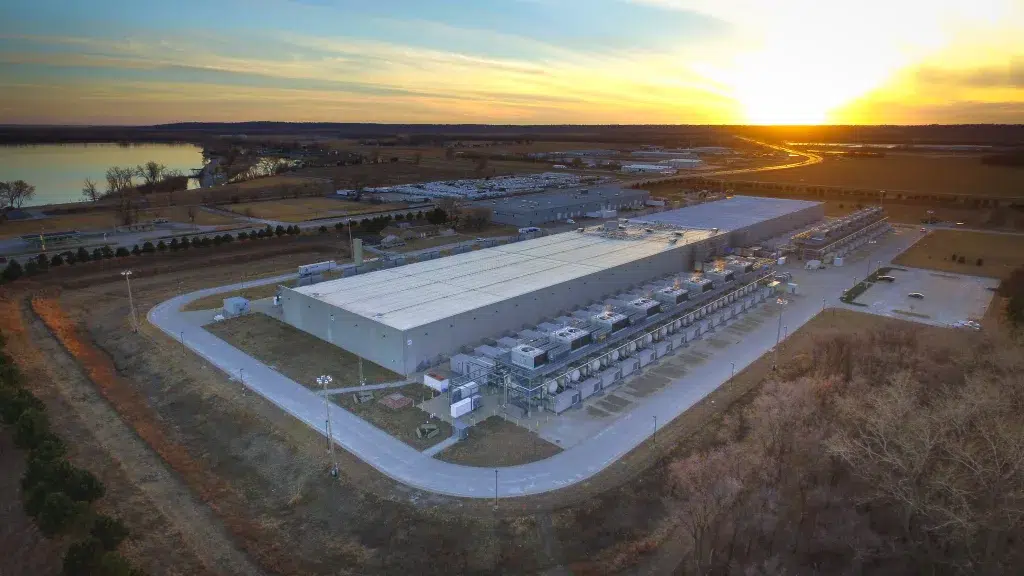
A data centre investment depends on more than demand for computing capacity. Power availability, the customer proposition, technical requirements and the development programme must support a coherent commercial and financing case.
Project structuring brings ownership, delivery responsibilities, revenue arrangements and financing into a coherent framework. The right structure depends on the project’s purpose, market and the parties able to carry its risks.
A Saudi Arabian PPP bid needs financial analysis that reflects the procurement documents, project obligations and applicable local requirements. Early alignment between the commercial, modelling and specialist workstreams helps a bidder identify the decisions that matter.
Long-term operating performance is shaped by decisions made before construction. Design, procurement and contract preparation should reflect the service the asset must provide and the resources needed to sustain it.
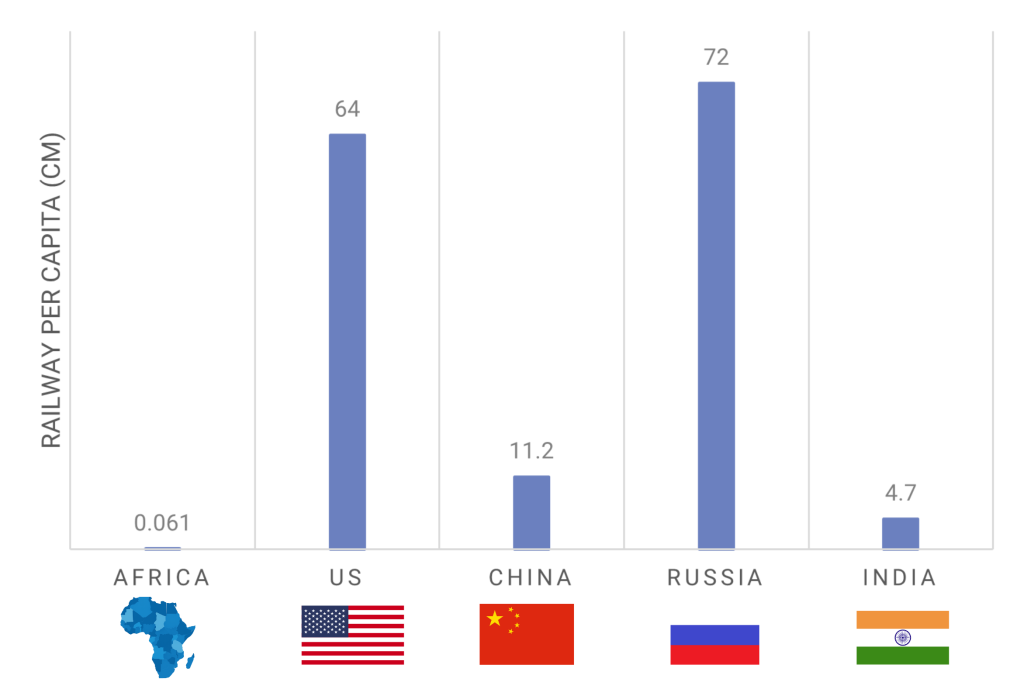
A rail project needs an integrated view of demand, network interfaces, delivery requirements and funding. The development case should explain the service to be provided and the evidence supporting the proposed investment.
Mini-grid viability depends on the relationship between local demand, the cost of service and the revenues that can be collected. Technology selection is one part of a wider commercial and institutional assessment.
A development study becomes useful to an investor when its evidence connects to a commercial proposition, an implementable project and a clear funding requirement. Moving between these stages requires more than repackaging a report.
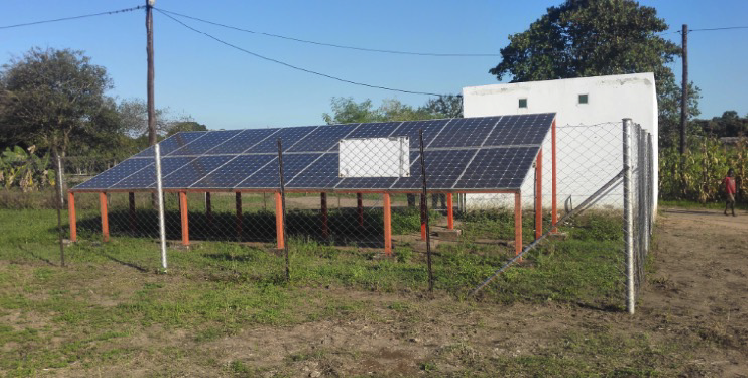
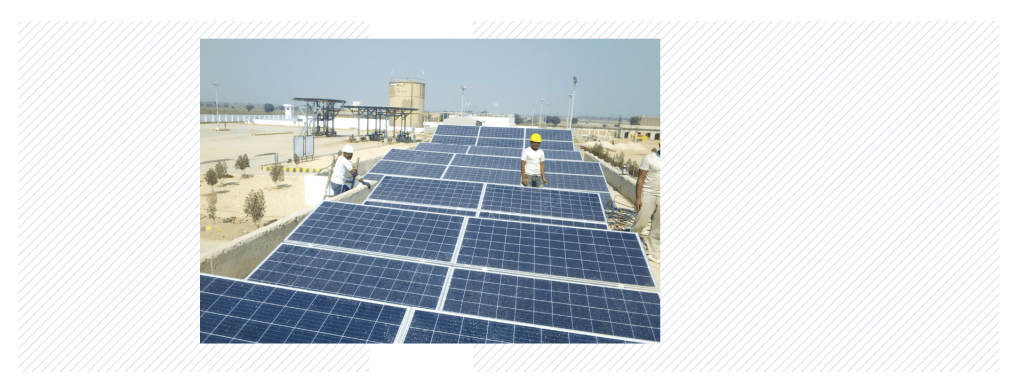
A solar PV feasibility study should connect site and resource evidence with the project’s commercial structure, costs and financing assumptions. Its purpose is to support a defined development decision and identify the work still required.
An infrastructure opportunity needs a clear link between the service required, the delivery model and the funding available. Project preparation should establish that link with evidence appropriate to the local context.
Changes in trade conditions can affect equipment cost, delivery programmes and contractual risk. Renewable energy developers should assess their exposure through the actual supply chain and procurement documents.
Advisory support can improve the visibility of programme risks and the quality of project decisions. It cannot eliminate uncertainty. The practical task is to connect workstreams, responsibilities and decision milestones before unresolved issues become delivery problems.
Energy development brings together commercial, financial, technical, environmental and legal questions. Effective coordination makes the interfaces visible and helps the client understand when the evidence supports a decision.
Project finance assesses a project’s expected cash flows and contractual arrangements within an agreed financing structure. For renewable energy sponsors, preparation starts with the underlying development and revenue case.
A staged development process helps a sponsor decide how much work to commission and when to commit further resources. Each stage should resolve a defined set of questions and identify the evidence needed next.
Wind development requires a clear connection between resource evidence, technical design, commercial arrangements and the financial case. Advisory responsibilities should reflect the expertise needed for each part of that assessment.
A mining power strategy must reflect the operation’s demand, reliability requirements and commercial priorities. Renewable and hybrid options should be compared on their ability to provide the required service over the relevant period.
GIA supported the assessment and commercial preparation of a hybrid power solution for a mining development in Africa. Client identities and identifying project details have been withheld.
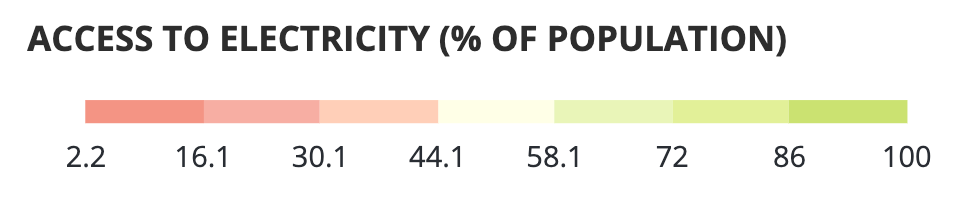
Energy planning must consider access, reliability, affordability and environmental objectives together. A project assessment should make the trade-offs and evidence explicit rather than assuming that one technology answers every need.
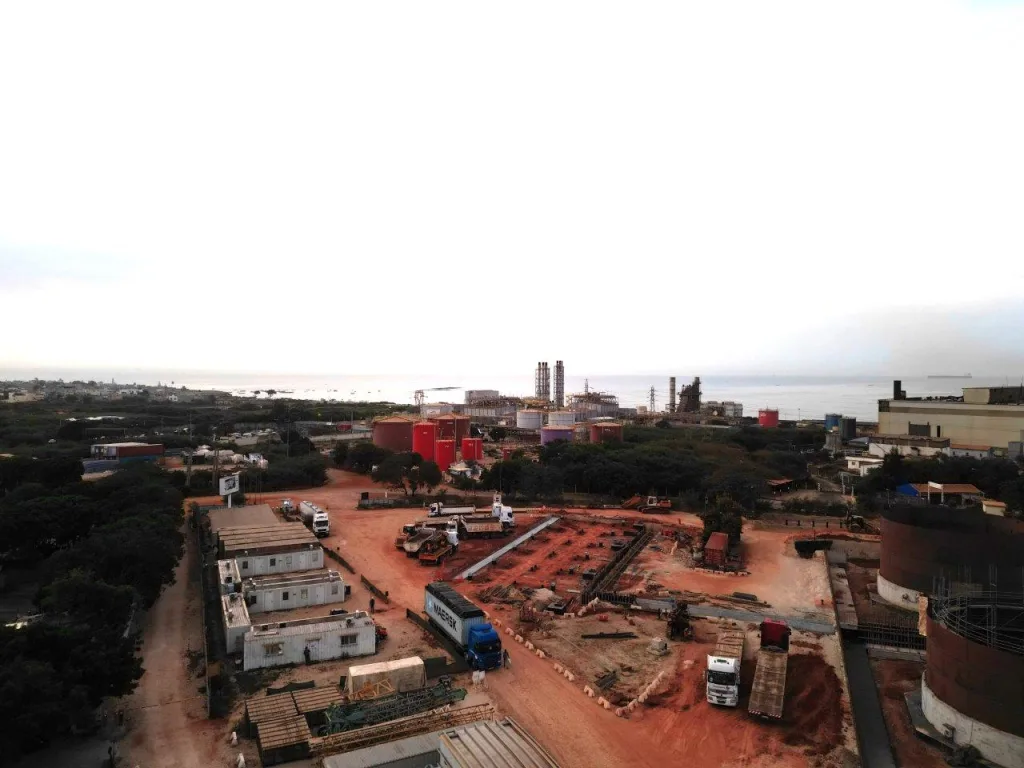
GIA provided project development and financial advisory support for a thermal generation project in Africa. This summary focuses on the work undertaken and withholds client identities and commercially sensitive details.
A promising energy technology requires a commercial assessment as well as a technical proposition. Investors and developers need to understand the evidence, delivery requirements and assumptions behind the proposed business model.
A land-development proposition depends on the infrastructure needed to support its intended use. Site constraints, utility requirements and the delivery programme should be assessed alongside the commercial case.
Policy and regulatory assumptions can affect a renewable energy project’s rights, costs, revenue and timetable. The assessment should identify the applicable requirements and explain where the commercial case depends on change or interpretation.
An energy-transition partnership can provide a framework for policy priorities and potential funding. Individual projects still need defined delivery responsibilities, development evidence and financing arrangements.
Grid connection affects a generation project’s cost, commissioning date and ability to earn revenue. Developers need to understand the connection process and its commercial consequences early enough to reflect them in the project plan.
A power purchase agreement connects a generation project’s physical output with its revenue model. Assessing the buyer, payment terms and allocation of risk is central to understanding whether that revenue can support the project.
A financing discussion is more productive when the sponsor can explain the project’s development status, commercial case, funding requirement and outstanding risks. Preparation should make the proposition clear without overstating certainty.
A development review should identify the questions that affect whether and how a renewable energy project proceeds. These ten areas provide a practical starting point for an agreed project-specific assessment.
A renewable energy opportunity in Central Asia needs project-specific evidence on the market, development requirements and commercial structure. Regional potential is a starting point for investigation rather than a substitute for feasibility.
GIA’s collaboration with Quiddity Partners brings together infrastructure advisory and capital-raising experience to support renewable energy and environmental project developers.
To provide the best experiences, we use technologies like cookies to store and/or access device information. Consenting to these technologies will allow us to process data such as browsing behavior or unique IDs on this site. Not consenting or withdrawing consent, may adversely affect certain features and functions.
Functional
Always active
The technical storage or access is strictly necessary for the legitimate purpose of enabling the use of a specific service explicitly requested by the subscriber or user, or for the sole purpose of carrying out the transmission of a communication over an electronic communications network.
Preferences
The technical storage or access is necessary for the legitimate purpose of storing preferences that are not requested by the subscriber or user.
Statistics
The technical storage or access that is used exclusively for statistical purposes.The technical storage or access that is used exclusively for anonymous statistical purposes. Without a subpoena, voluntary compliance on the part of your Internet Service Provider, or additional records from a third party, information stored or retrieved for this purpose alone cannot usually be used to identify you.
Marketing
The technical storage or access is required to create user profiles to send advertising, or to track the user on a website or across several websites for similar marketing purposes.